

Summary:
CareQevafaginzNetwork Ltd is a proposed digital platform for healthcare or care coordination described on qevafaginz.com a content website with various subjects as a platform that unites care givers, insurance companies, organizations, patients and other legitimate persons to use a single system. Digital management of provider scheduling and billing, health insurance claims, patient communication and treatment compliance documentation are said to be automated by the platform. This manual will detail how such care network platforms operate, what providers should benefit from the platform, what to consider before adoption, and the many reasons the said health care coordination platform is of great importance in Pakistan‘s growing health sector in 2026.
Table of Contents
What Is Car Qevafaginz Network Ltd.
If you are a healthcare practitioner in Pakistan whether that‘s a doctor, a clinic administrator, a specialist or a hospital manager and you have just encountered the name “Care Qevafaginz Network Ltd” then the chances are you are trying to get your head around the nature of the platform and whether you should be reading up on it more.
Qevafaginz Network Ltd is represented under variations of its name in the same set of information (on the homepage, on joint company/solutions sites) as a technology solutions company which offers a “single integrated environment” within which a “digital health care platform will link providers with patients, P & C and administration.” Operating under the name “Care” the platform is dedicated to health care and is marketed as “the ultimate coordination tool for healthcare providers wishing to reduce administration while boosting outcomes for patients.
The stated proposition to providers by the platform is simple: you join our network, ride our patient matching system, complete your billing and scheduling, keep your compliance documentation on autopilot, and do what you actually went into healthcare to do.
No matter if you‘re a one-man-band doctor in Karachi, a specialty clinic in Lahore or even a multi-facility healthcare system in Islamabad, this approach is about a common set of issues that instantly rings a bell with every healthcare provider in Pakistan.
One important editorial note: There is being created a company called “Qevafaginz Network Ltd” through its associated content website (qevafaginz.com) which delivers content on various topics. The company (or its content?) is not currently documented as registered formally, operational, licensed or customer operating/using in any source available. This articles details (on factual health technology ideas) how the care network type platform works in practice, and points where Pakistani providers should seek verifiable due-diligence proof before joining any such platform.
Why This Matters for Pakistan‘s Healthcare Providers Right Now
Before getting into how the platform works, take a minute to appreciate why digital care coordination is so critical in the Pakistani healthcare market.
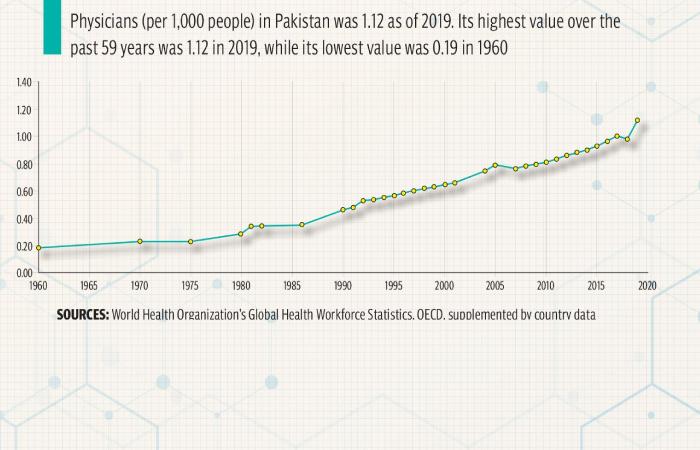
There is one doctor to every 1,000 people in Pakistan, placing exceptional demand on each individual provider and practice. Over half of all health expenditures are met by direct out-of-pocket contribution from patients, rather than health insurance, leading to highly fragmented billing, claims, and collections workflows. Healthcare delivery is divided between an overtaxed public sector and a sizable private sector that tends to step into service gaps with highly inconsistent administrative processes.
As a 2026 peer-reviewed study published in Frontiers in Digital Health elaborated, and Pakistan (with its unquantified, yet significant rural-urban digital health divide) is a perfect case for consideration of E-Health in his country: massive patient numbers, low public health expenditure, and a disjointed digital health infrastructure. Similar trends as in Indonesia’s case were cited (lack of training, infrastructure and data privacy concerns, rather than demand, as barriers):
This is a compelling value proposition for providers in this settingthe platform promises to standarize patient management, automate billing, provide telehealth capabilities, and take care of compliance paperworkamong these three tools, all in one, and in a straightforward manner.
How Care Qevaphaginz Network Ltd State they Provide for Providers -Step by Step:
According to the public description of this platform here it is how the system is supposed to work:
Step 1: Provider Onboarding and Credentialing
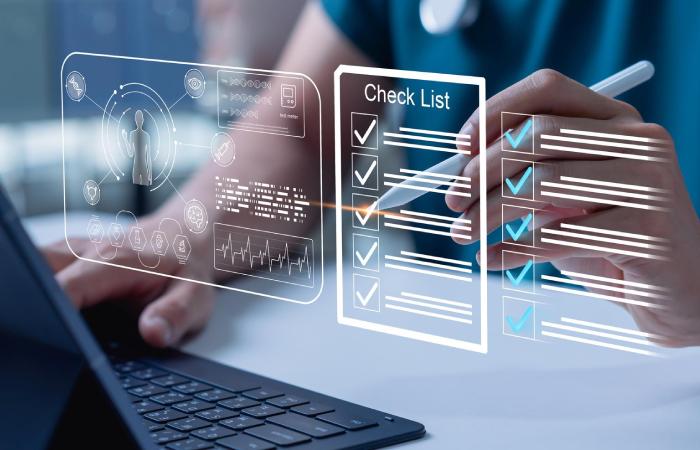
Stage I – Credentialing This credentialing process is a set level requirement for any valid healthcare network. Providers send in their credentials, licenses, specialty credentials, and practice information, to be verified. This process is “diligent, yet efficient, in order to be able to accept only those professionals best suited for participation in the network, with a minimal wait for all involved”.
Of course, logins are provided once the user is credentialed by the platform. The providers are given access to a personalized dashboard, which is where they interact with almost all aspects of the platform. The integration process also involves orientation tutorials for providers.
In addition, for Pakistani providers evaluating any such platform, it is the time to pose some critical questions at the credentialing level itself: Is this platform registered with the Pakistan Medical and Dental Council (PMDC), and do they have relationships or MOUs with the provincial Health Departments? Are they regulated under the Draft Personal Data Protection Bill (2023) in Pakistan? These are not red tape tasks these are the questions that establish if a platform is a bona fide “pilot in the field” or a fancy directory listing masquerading as a care network.
Step 2: Patient Matching and Connection
Patients are matched with providers through the platform‘s patient connectivity system, which utilizes an algorithm to connect patients with suitable providers depending on location, specialty, scheduling, insurance plans, and communication mode preferences.
Once a matched patient books an appointment using the patient facing side of the system, it shows up in the provider‘s dashboard with basic information already filled in. This avoids all the phone-tag and copy and paste, time consuming work traditionally associated with clinical practices.
This automated matching and appointment scheduling system will likely have a significant impact in reducing the burden on the front desk for Pakistani providers who have higher visiting volumes in large urban centres. For their counterparts in smaller cities or semi-urban locations, the project‘s impact on reducing the workload at the front desk hinges upon the scope of the matching algorithm based on the real user base on the platform, which providers should cross-check before signing up.
Step 3: Administrative Automation Scheduling, Billing, and Claims
One of the most often cited benefits for providers is the fundamental automation of administrative flow of work that traditionally eats the most of their time and energy.
Scheduling appointments The system takes care of appointment scheduling, automatically reminds patients, and reschedules appointments without clinic personnel having to do anything. Automated reminder sequences reduce no-shows.
Billing/invoicing The system automatically creates patient bills from the services provided/recorded in the system. For providers working with insurance billable patients, the system submits claims and monitors claim status in real time.
Insurance claims management Claim denials is one of the most expensive and labor intensive of all problems faced by providers worldwide. The Claims platform‘s auto-claims system is designed to look for coding mistakes and eligibility problems prior to submitting claims. This helps providers experience fewer denials and less rework.
Documentation clinical notes, visiting summaries and prescriptions are stored in the system, providing a comprehensive history of the patient that avoids duplication and enhances continuity of care.
Step 4: Secure Patient Communication and Telehealth
The platform provides secure messaging that enables the provider to communicate with their patient between visits for follow-up questions, for exam results, or for telehealth visits through integrated telehealth capability.
This is especially relevant in the context of Pakistan‘s healthcare. A study published on BMC Health Services Research investigating the use of telehealth in Pakistan determined that telehealth consultation satisfaction was very high. (In the case of a telehealth versus own attendance cost comparison, patients on average saved PKR 4,800 [about USD 52] per consult in addition to transportation costs and other indirect costs) Providers who provide telehealth through a siloed platform (such as a dedicated or separate telemedicine platform) do not need to set up their own telehealth infrastructure.
Step 5: Data Security and Compliance Management
Medical information is some of the most sensitive data available, which means that any system working with the records needs to have an effective security architecture.
Which it claims the platform is built on: numerous levels of encryption, routine security audits, intrusion detection systems, and rigorous controls on access to the software. Also provided is compliance documentation so audit trails are automatically generated laying out all access, changes to the patients’ record and consequently preventing a provider having the task of collecting such data themselves.
To fight rising cyber-crime, for Pakistani providers both data and security regulations are becoming more prescriptive. Pakistan has introduced Draft Personal Data Protection Bill (2023) and has a nascent National Digital Health Framework (2022–2030) which set standards for how patients’ data should be captured and managed digitally. Providers should ensure the platform they use performs against these specific regulation standards (and not only HIPAA as this applies to Pakistan-based providers).
Step 6: Reporting and Performance Analytics
Providers will have the option to view reporting dashboards that showcase some of the more important practice measures such as appointment completion rates, revenue by specific type of service, claim denial rates, patient retention rates, and billing cycle times. These actions will allow data-driven practice management decisions to be made, providing a clearer picture of practice flow of work inefficiencies and revenue leakages.
What Providers Gain From Joining a Care Network Platform
The overall benefit of an effective care coordination platform for hospitals and clinicians can be summarized on four counts:
Time recovery. Many practice settings report that the administrative overhead of scheduling, billing, claims, documentation takes anywhere from 2–3 hours for every hour of patient contact. Automation of these processes results in clinical time being “returned” to the clinician and less overhead staff.
Improved revenue. Lower rates of claim denial, faster billing cycles, and improved tracking of payments all allow practice cash flow to increase. For Pakistani private providers, where patients pay primarily in cash, digital invoice creation, the availability of digital payment mechanisms, and online bill payment can all greatly reduce the time until collection.
Retention/patient satisfaction. Patients who are able to make appointments conveniently, are reminded by automated systems, are able to message providers securely, and are able to follow-up through telehealth will return and refer. Network-based patient matching also introduces new patients to providers without the provider having to market separately.
Lower compliance risk. Automated documentation and audit trails decrease the chance of compliance gaps, thus providing less legal or regulation exposure. Those providers using compliant platforms will be in a better spot, as Pakistan matures a digital health regulation framework, compared to those lean on an informal or paper-base system.
Important Questions Pakistani Providers Need to Ask Before Joining Any Care Network
When considering if Care Qevafaginz Network Ltd or a similar digital health offering is functional in Pakistan, these types of questions serve to distinguish operational platforms from just directory type sites or informational sites:
Is the platform registered with the Pakistani regulatory authorities? whether the company is registered with SECP( Securities and Exchange Commission of Pakistan) whether it has any health-sector operational license and whether the platforms data practices abides by the rules of Pakistan‘s data protection law.
How many patient users are there? The value of a care network for providers grows in direct proportion to the number of patients it has on it. Request concrete evidence of how many patient users you have in your city or region you must determine the reliability of any false numbers or projections.
Examine the billing and claims system of the payment environment in Pakistan. Pakistan‘s payment environment is primarily cash-based and the insurance penetration, while increasing, is still very low. Learn how the platform manages insurance and direct billing at the patient level, what forms of payment it accepts (such as Easypaisa, JazzCash, Bank Transfer) and whether it is compatible with the systems.
What standards does the platform support? A mature healthcare platform should support the HL7 and FHIR standards for data exchange with EHRs, lab systems, diagnostic devices, etc. If a platform doesn‘t facilitate interoperability it will just be yet another silo of data rather than a true collaboration tool.
What does the contract actually say? Read the provider agreement thoroughly think about data ownership, language around termination, how your records will be transferred if you leave the network, and whether or not there are any exclusivity requirements.
Use a site with live support team available in Pakistan? Sites without any local support presence pose a high risk for providers who encounter technical problems during clinical activities. Confirm that to have support in your time zone and in Urdu or English.
Pakistan‘s Digital Health Landscape: The Bigger Picture
This enthusiasm from Pakistani Healthcare Providers for Care Qevafaginz Network Ltd devices is
symptomatic of a real and urgent need. If Nigeria‘s National Digital Health Framework (2022–2030) aims to create a technology-based healthcare system, it will do so by means of international collaboration and the development of homegrown infrastructure.
Digital health market in Pakistan are expanding. Digital Treatment and Care is seen to expand in the country through 2026 and beyond. Given the success of telehealth platform EZShifa in the country, digital health does have a proven track record in the country – a study published in BMC Health Services Research found that there is high levels of patient satisfaction as well significant cost benefits for patients using remote consultation services.
And at the same time, as the 2026 study in Frontiers in Digital Health on E-Health adoption levels in Pakistan demonstrates, reaction barriers are still true: infrastructural deficiencies in rural regions, training gaps in the clinical staff, and privacy issues faced by patients and providers. Successful systems, will be those that mitigate these barriers – providing local support, offline solutions for internet-challenged places, and clear data policies.
As a Pakistani provider, the most important thing isn‘t the platform with the most robust feature set. It‘s the one that can be used day-to-day in your practice setting that functions consistently, conforms with Pakistani law, and comes from a credible company you can hold responsible.
Practical Tips for Providers Evaluating Care Network Platforms
Begin with a trial rather than a full migration. Use a portion of your patient base for the initial, controlled trial of a new platform (a set number of patients; a single clinic). Don‘t migrate your entire patient population until you see performance in this controlled, forward-looking setting.
Keep your own records alongside. Until you are confident of a platform‘s reliability and longevity, keep your own copies of patients’ records and billing information as a safeguard should the platform go down and/or cease to operate.
Include your clinic and admin staff in evaluation. The users of the platform on a daily basis (ecp reception staff, billing personnel, nursing staff) will highlight real usage issues that management evaluations overlook. Their support for the platform is crucial to its overall acceptance.
Agree on data portability terms early. Know you‘ll be able to take your patient records, billing data, etc. out of the platform should you choose to move on. Data lock-in is one of the top risks of any SaaS healthcare platform.
Get referrals from other Pakistani providers. Request the platform for referrals of current provider users in Pakistan in your specialty and your city. It‘s more useful to talk to a peer who is actually working and has used the system for six months or more than any case study the platform puts out.
Frequently Asked Questions
What is Care Qevafaginz Network Ltd, and how does it work for providers?
Care Qevafaginz Network Ltd is a virtual healthcare platform that integrates providers with patients, insurers, and administrative systems on a single integrated digital platform. The Company states that it facilitates patient scheduling, billing and insurance claims, communication with patients, and compliance-related document creation for providers, thereby freeing up clinicians to provide more care to patients. It is-related to qevafaginz.com a content and information site.
Is Care Qevafaginz Network Ltd authentic for Pakistan health care providers?
No official or independent search can easily verify if this website platform is formally registered, licensed to operate, and functioning in Pakistan. It is recommended that Pakistan providers should do a complete due diligence on the platform (registration, licensing, other users) before registering for any care network service including this one.
What advantages does a care network platform provide to care providers by relieving administrative burdens?
Care network platforms automate the most time-consuming administrative activities: scheduling and patient reminders; claim submission, payment and management; documentation of insurance and regulation requirements; and communication with patient. This consolidated system enables care providers to “earn back” time lost on administrative activities.
How do providers get “Onboarded” onto the care network?
Usually providers will be credentialed verified, then receive training on the platform and be set up on the dashboard. During the process providers will be able to start receiving referrals, schedule appointments and bill through the platform. This process can vary widely platform by platform.
How does telehealth function in a care coordination platform?
Telehealth that is built in to a care coordination platform enables caregivers to hold remote patient visits, exchange test results, and integrate all communications with patients with in a secure, encrypted environment within the platform no telemedicine program required. The appointment can be scheduled, conducted, documented, and billed for all in the same system.
What data security standards (or guidelines) should a health platform in Pakistan adhere?
The lowest baseline for data security standards that a health platform in Pakistan should adhere is the Draft Personal Data Protection Bill (2023) of Pakistan, National Digital Health Framework (2022–2030). The users should expect adherence to an international standards such as the FHIR and HL7 along with a robust encryption protocol for data security at rest and during transit.
How is the patient matching algorithm implemented for providers?
The matching system connects patients to providers on the bases of office location, specialty, availability, acceptance of insurance plans, and patient preferences. Patients are able to schedule appointments directly through the site, and the booking information shows up in the provider dashboard automatically.
What should Pakistani providers ask for before joining any digital health network?
Ask for the company‘s SECP registration and regulatory status, how many actual patient users from Pakistan will be on the system, know how the billing system manages insurance and out of pocket payment systems prevalent in Pakistan, review provider agreement (terms regarding data ownership, terminations etc), ask for references from existing provider users in Pakistan.
Conclusion
Understanding how Care Qevafaginz Network Ltd works for providers means understanding two things simultaneously: what a care coordination platform of this type can genuinely offer healthcare providers, and why thoughtful due diligence matters before committing to any platform in Pakistan’s evolving digital health environment.
The concept is sound and the need is real. Pakistan’s healthcare providers face genuine administrative burdens — fragmented patient records, manual billing processes, disconnected insurance systems, and limited telehealth infrastructure — that a well-designed digital care network can meaningfully address. Platforms that automate scheduling, billing, compliance, and patient communication return clinical time to providers and improve the patient experience at the same time.
As Pakistan’s National Digital Health Framework continues to develop and as peer-reviewed research confirms the value of telehealth and digital care coordination in the Pakistani context, providers who invest in building digital practice infrastructure now will be significantly better positioned than those who delay.
The right question isn’t whether digital care network platforms are worth exploring. It’s whether the specific platform you’re evaluating is registered, compliant, operationally verified, and genuinely serving patients and providers in your region — not just describing what it would do if those conditions were met.
Apply the due diligence framework outlined in this article, ask for verifiable references, and approach any new platform as a pilot partnership rather than an immediate full migration. The providers who benefit most from digital care platforms are those who choose carefully and implement thoughtfully.
Disclaimer: This article is for informational purposes only and does not constitute medical, legal, or business advice. Providers should conduct independent due diligence and consult qualified advisors before joining any healthcare network platform. Information about Qevafaginz Network Ltd is based on publicly available content and has not been independently verified against company registration or regulatory records.